Seaweed Harvesters of the Far West Fjords
Meeting the small-craft foragers preserving cold-water culinary botany along Scandinavia's fractured coastline.
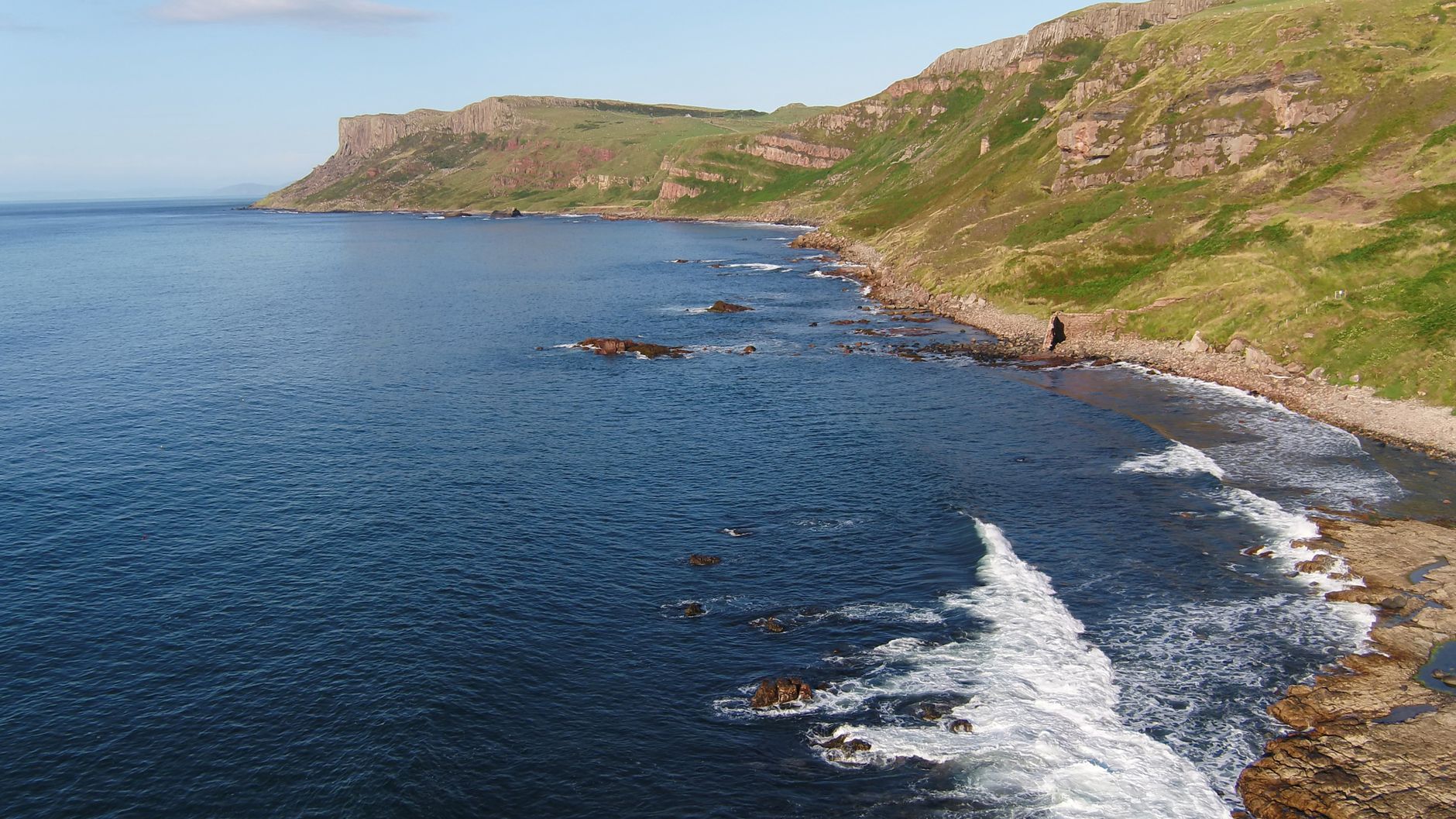
In the quiet inlet of Breanger, three hundred miles northwest of Oslo, the tides move with icy precision. Here, water from the North Atlantic spills into glacier-carved granite chasms, maintaining a pristine, oxygenated temperature optimal for the growth of mineral-dense marine forests.
Reclaiming Forgotten Sea Herbs
We boarded an open wooden skiff with Astrid Lindholm, a third-generation marine botanist who spends the spring and late summer months wading into freezing intertidal zones. Equipped with hand shears and wicker baskets, her harvest is entirely manual, taking only the upper fronds of winged kelp, dulse, and sugar wrack so the root systems remain anchored to granite boulders.
"The sea gives its finest flavor to those who harvest without machines. Each blade of kelp holds the taste of mineral wind and pure ocean salt."
The New Arctic Table
Once dried by sub-arctic salt breezes, these foraged seaweeds are transformed into stocks, savory butters, and seasoning for Arctic char and heirloom root vegetables. In local coastal inns, dining is an education in ocean terroir.
111111 champions voyages that bridge the gap between wilderness preservation and culinary craftsmanship. Visiting these isolated fjord communities provides travelers with a visceral connection to the rhythms of the sea.
Curious to Experience Nordic Gastronomy?
Contact our journey planners to design an expedition focusing on coastal culinary traditions and slow fjord voyages.
Contact Our Studio