The Architecture of Kyoto's Hidden Mountain Sanctuaries
Documenting timber craftsmanship, moss ecology, and solitary morning bells in Kansai's upper highlands.
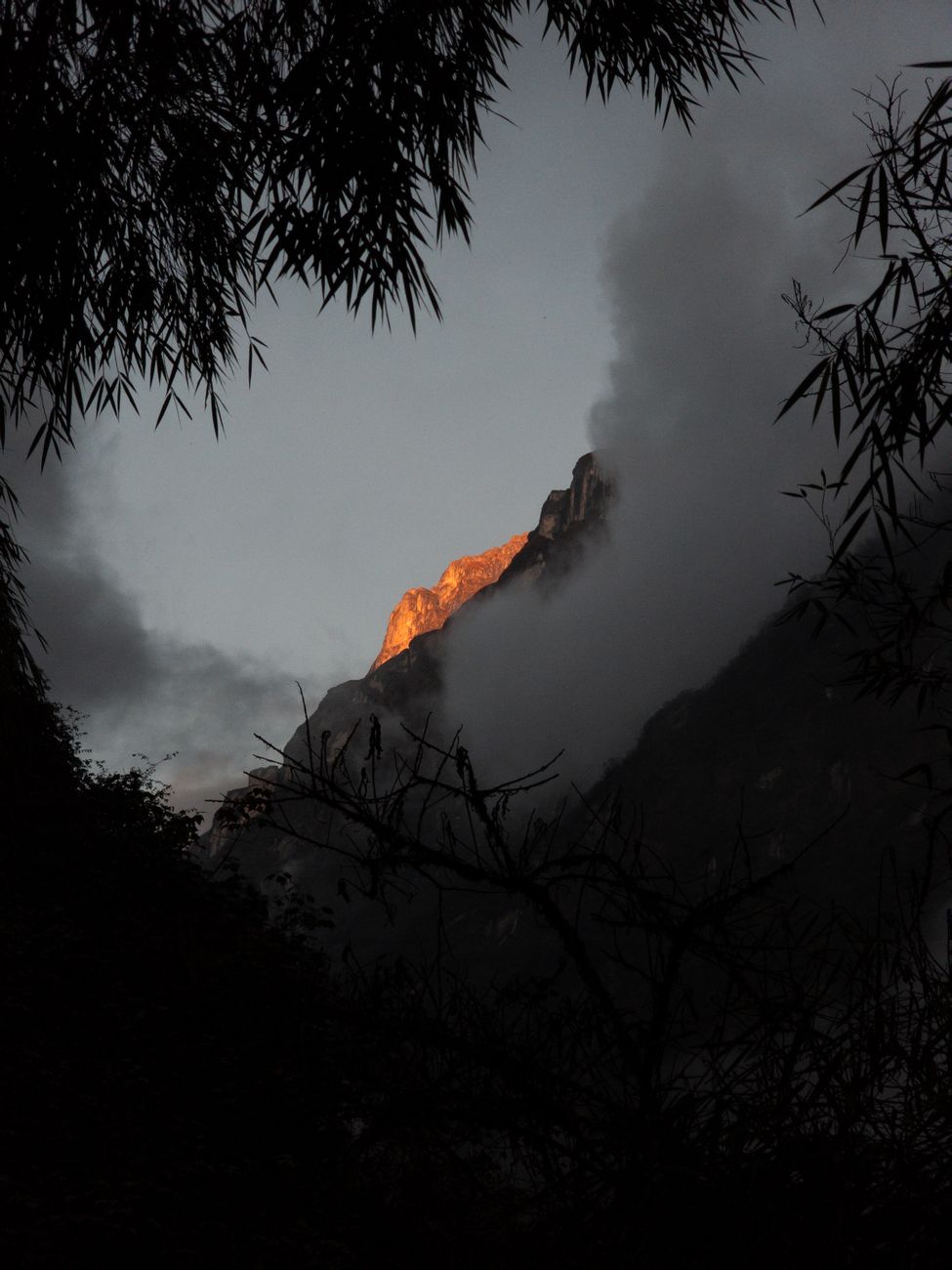
The ascent begins before dawn, when the mist that sleeps over the Kamogawa River crawls upward toward the Kitayama ridgeline. Here, far above the bustling train concourses and neon-lit ramen counters of downtown Kyoto, the world resolves into damp soil, cedar resin, and the rhythmic drip of mountain condensation falling from ancient cryptomeria branches.
Cedar Corridors Above Kitayama
For more than seven centuries, the Kitayama forests have supplied straight-grained cedar to master carpenters constructing tea houses, imperial villas, and secluded hermitages. The trees are pruned with meticulous geometry from youth, encouraged to grow without knot or blemish. Walking these mountain trails feels less like wilderness trekking and more like pacing through a living cathedral whose columns have been curated by twenty generations of arborists.
"Wood breathes even five hundred years after it is hewn. If you listen in the quiet of winter, the rafters still remember the wind of the ridge."
The Geometry of Sacred Silence
Upon arriving at a sanctuary like Kozan-ji, tucked in the folded valley of Toganoo, one is immediately struck by the relationship between architectural void and enclosing landscape. There are few solid walls. Sliding shoji screens open fully to frame precise vignettes of maple branches and deep moss slopes. The boundary between interior meditation space and forest ecosystem is utterly porous.
We spent several days in conversation with the master woodworkers who maintain these shrines. Rather than using steel fastenings or modern adhesives, they deploy intricate joinery techniques known as kigumi. Timber pieces interlock like intricate three-dimensional puzzles, allowing buildings to flex harmlessly during regional earth tremors while continuously expelling moisture.
Living Timber and Generational Restorers
To travel mindfully through Kyoto is to abandon haste. It means sitting on an unvarnished veranda for ninety minutes simply watching the autumn light tilt across a gravel dry-landscape garden. In an era obsessed with velocity, these mountain sanctuaries remind us that true luxury is patience, presence, and reverence for things built to outlive our grandchildren.
Desiring Similar Sacred Paths?
Our editorial team crafts custom itineraries for travelers seeking respectful, uncrowded cultural immersions in Japan.
Consult With Our Desk