High Pastures and Solitary Stone: Traversing the Pale Alps
A high-altitude traverse beneath limestone monoliths, staying with generational alpine shepherds.
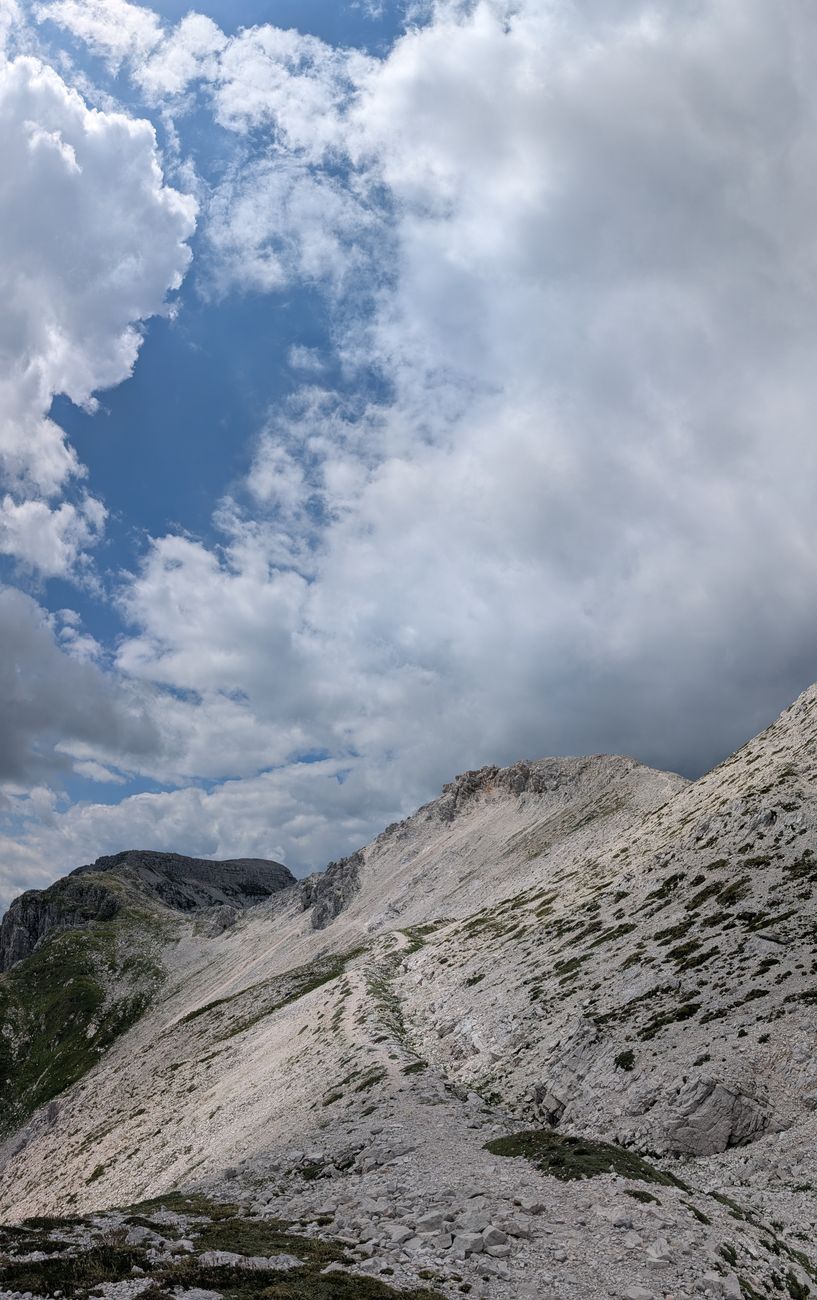
The morning begins at 2,200 meters with the scent of woodsmoke, strong moka espresso, and wet limestone. In the Val Badia, dawn breaks not with gentle amber hues, but with a sudden, violent flame of rose and magenta striking the sheer vertical facets of the Sasso della Croce—a phenomenon known locally as enrosadira.
Above the Treeline: The Coral Reefs of Time
Two hundred million years ago, these jagged pillars were not mountain peaks, but thriving coral reefs submerged beneath the primordial Tethys Ocean. Today, as you hike across high scree fields and solitary plateaus, fossilized shells and ancient sea anemones frequently reveal themselves embedded directly into the white dolomite stone beneath your boots.
While tourist buses crowd the major high passes, taking the older shepherd tracks allows travelers to wander for miles without hearing anything louder than the wind scouring stone needles and the distant, sonorous clanging of cow bells.
"The mountain gives you nothing that you do not carry up yourself, except for humility and quiet breath."
Refuges of Heritage and Raw Milk
At night, lodging in family-tended malghe (traditional alpine summer farmhouses) offers an unforgettable encounter with Ladin mountain culture. Dinners are hearty, unpretentious, and dictated by season: barley soup infused with smoked speck, hand-rolled potato dumplings, and mountain cheeses cured in spruce bark.
These high pastures are fragile ecological buffers. In writing this piece for 111111, our goal is to highlight travelers who choose to stay for multiple nights in single valleys, supporting alpine agriculture rather than contributing to high-turnover traffic.
Dreaming of the High Alps?
Allow our specialists to map a private hut-to-hut itinerary tailored to your walking endurance and culinary expectations.
Inquire About Alpine Routes